On the occasion of the screening of Oh Yeah! as part of Seeyousound’s international short film competition, we take the opportunity to interview the director Nick Canfield.
Canfield begins his career as camera assistant to the legendary documentary maker Albert Maysles, developing an intimate and truthful style as a director of photography and archivist for Maysles Films. His first film, the music documentary The Reverend, won the Audience Award at DOC NYC. Premiered at the Tribeca Festival, Oh Yeah! will be distributed by Rolling Stone Films and Documentary+.
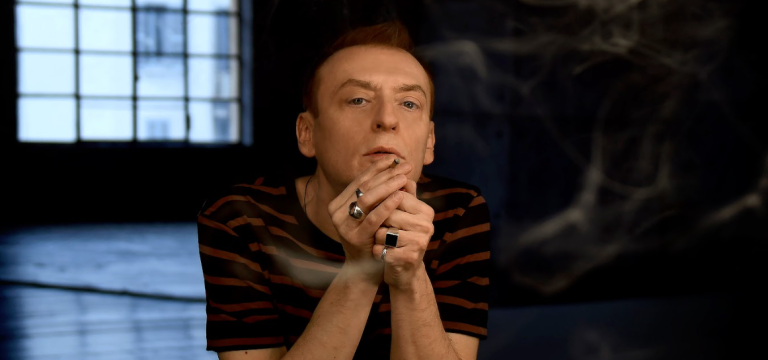
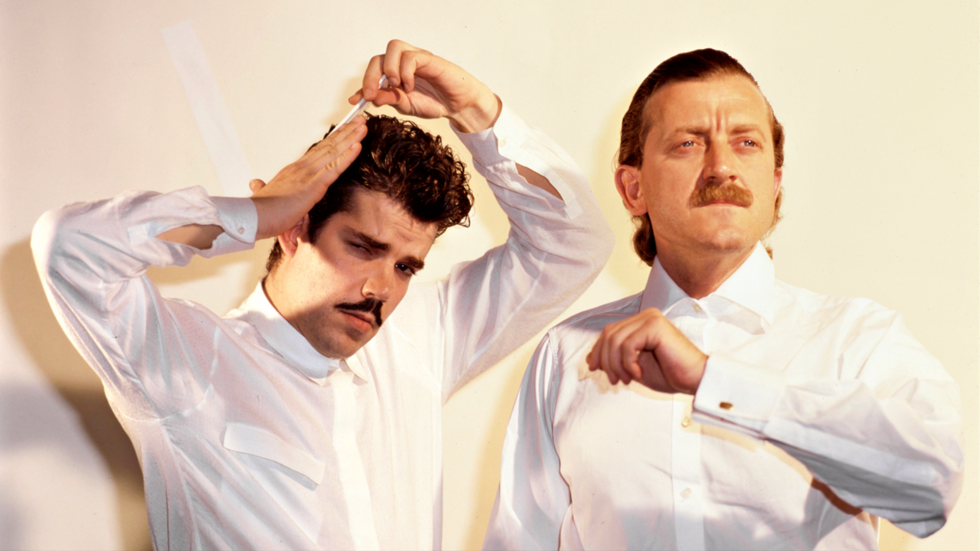
The short film tells the story, spanning almost forty years, of the track Oh Yeah! composed by the Swiss duo Yello. Made famous by the film Ferris Bueller’s Day Off, over the years the track becomes a kind of visceral call that embodies 1980s culture more than any other song. Through the adverts that exalt it as an instinctive, Pavlovian call to consume, Oh Yeah! acquires the status of a proto-meme. The whirlwind of references it generates means the track even finds a place in the final season of Stranger Things. The film explores the cultural phenomenon of the track and its lasting place in the American psyche, while also introducing the unique artists behind the music.
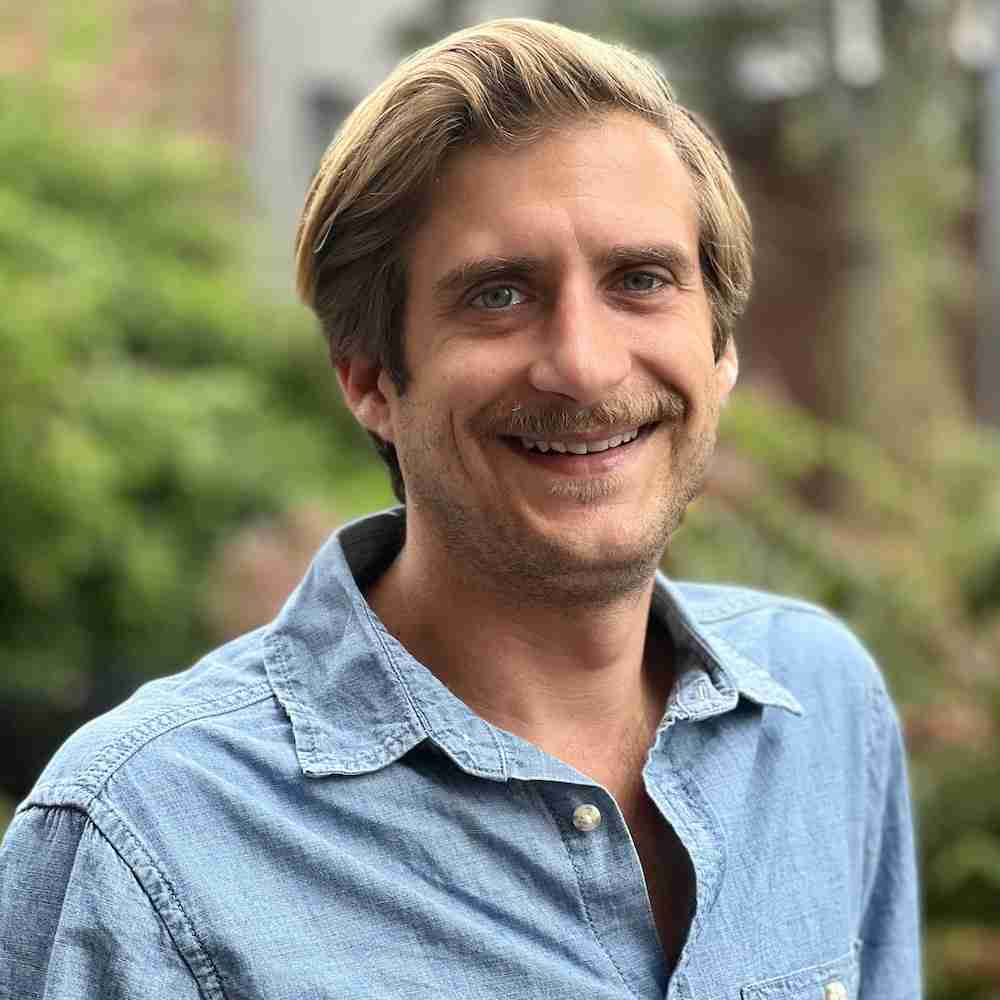
Do you remember your first encounter with this song? For many of us it was through Ferris Bueller’s Day Off: was it the same for you, or did it come later, through one of its countless subsequent uses?
It was indeed through Ferris, but also thanks to another 1980s film, The Secret of My Success, which uses the song in an even more pronounced way and was a key film of my childhood.
How did the short come about, and when did you realise you wanted to focus on the story of Oh Yeah?
My first film was a feature-length music documentary about a musician who had had a long-standing residency for many years, and I shot it in a mainly observational way, over a long period of time. I felt the desire to make a film with a narrower focus, and the idea of working on a single song seemed interesting to me. One morning I woke up with Oh Yeah stuck in my head and I thought that the track said a lot about a very specific era and culture. I wondered whether the people behind the song were as singular as the song itself – and I discovered that yes, they are.
In recent years several music films centred on iconic songs have been released – Hallelujah, We Are The World o My Way, per esempio (quest’ultimo proiettato a SYS11). Secondo te cosa ha reso Oh Yeah iconica a modo suo?
The way the song has become a genuine cultural reference is unique. While fitting perfectly into the culture and music of the 1980s, it has also managed to become timeless. Today Oh Yeah è direttamente associata a determinate sensazioni e riesce a evocarle in modo immediato.
We often associate songs with the emotions they make us feel. Examples linked to joy, sadness, even anger come to mind easily, but far fewer that are instinctively connected to desire and lust. That is the superpower of Oh Yeah?
Exactly. Somehow the song manages to achieve this both through the musical arrangement and through the lyrics. These are equally important emotions to experience and express: there is nothing wrong with having fun and being carefree – in fact, I think there is something to be learnt from that too.

Oh Yeah also seems like a perfect lens through which to reflect on the concept of virality in a broader sense. Would you say it works as a sort of proto‑meme? It seems almost made for today’s TikTok audio culture, for example.
Absolutely. Proto‑memes like Oh Yeah spread through word of mouth and audio: they could be broadcast on the radio, repeated in person and then reused again and again in films and other media.
Your film came out shortly before another prominent appearance of the track, specifically in the third episode of the final season of Stranger Things. Do you think this could trigger a new period of popularity for the song?
I hope so. I believe a new generation is now discovering the song and that, through it, they may also come to know Yello. It’s something that keeps happening cyclically, as it did with Oh Yeah in The Simpsons o in Rick and Morty.
It’s not uncommon for artists – especially the more “serious” or snobbish ones – to feel ambivalence or even hostility towards the work that made them famous. Has that ever been the case with Yello?
Yello are wonderfully “refreshing” in their attitude and outlook. Boris and Dieter are grateful for the success the song has had and for the fact that it has allowed them to keep making music and art, while at the same time exposing the huge audience of Oh Yeah to the rest of their work. They are truly people who believe in art for art’s sake and would keep creating even if Oh Yeah non fosse mai diventata famosa.
This is your third music-related film, after The Reverend e My Back Pages. How important is music in your life?
Music is very important to me, although I’m not actually a great musician (even though I like to improvise every now and then), and my record collection is rather eclectic but not as vast as those of other great enthusiasts. I’m interested in the way music influences how we think and feel, and in how it is used. It builds the soundtrack of our lives, whether we want it to or not, whether we are the ones choosing it or not.
Turning instead to cinematic influences, you have often cited Albert Maysles as a key reference. Do you think a film like Gimme Shelter played a role in your interest in music as a recurring theme in your work?
È possibile. Gimme Shelter is an extraordinary film, especially for the way it shows the human stories behind the concert and behind the Rolling Stones, who were so famous that, for many fans, they had become more of an icon than real people – at least until the documentary came out.
You have made both feature-length films and shorts. What do you consider the strengths of the short format?
Some subjects don’t lend themselves to being developed into a feature film and work better as short films. Shorts can be absorbed by audiences in different contexts, both in terms of media and presentation formats, and on a psychological level.